
Honda Brake Service in Roanoke, VA
- Home
- >
- Service Department
- >
- Brake Service
Your brakes are one of the most important safety systems on your vehicle — and in Southwest Virginia, they work even harder than average. With hilly terrain, winding roads, and frequent stop-and-go traffic, drivers in Roanoke and surrounding areas often experience faster brake wear than those in flatter regions.
At Priority Honda Roanoke, our team provides professional Honda brake service designed to keep your vehicle performing safely and smoothly. Whether you need new brake pads, rotor service, or a full brake inspection, we’re here to help you drive with confidence.
Article Overview
- Why Brake Wear Is Higher in Southwest Virginia
- The Key Parts of Your Honda Brake System
- What Does a Honda Brake Service Include?
- Signs Your Honda May Need Brake Service
- Brake Pads, Rotors and Fluid: What You Should Know
- Brake Inspections: What’s Included and Why It Matters
- OEM vs Aftermarket Brake Parts: What’s the Difference?
- Frequently Asked Questions About Brake Service
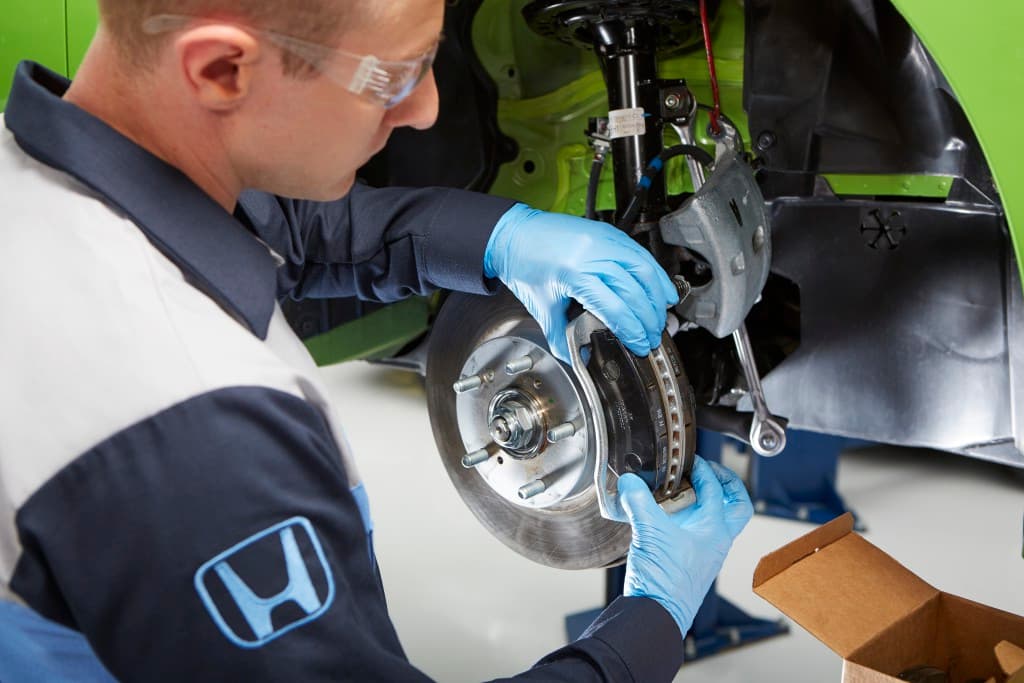
Why Brake Wear is Higer in Southwest Virginia
Driving conditions around Roanoke and Christiansburg naturally put more stress on your braking system. Frequent downhill driving — especially in areas near the Blue Ridge Mountains — creates additional heat in your brakes, which can wear down pads and affect rotor condition over time.
Add in city traffic, stoplights, and daily commuting, and your brakes are working almost constantly. That’s why regular inspections and timely service are especially important for drivers in this region.
The Key Parts of Your Honda Brake System
Understanding how your brakes work can help you recognize when service is needed. Your Honda brake system includes:
- Brake pads – Create friction to slow your vehicle
- Brake rotors – Smooth metal discs that the pads press against
- Brake calipers – Apply pressure to the pads
- Brake fluid – Transfers force from the pedal to the braking system
- Brake lines and hoses – Carry fluid throughout the system
Each component plays a critical role, and wear in any part can affect overall braking performance.
What Does a Honda Brake Service Include?
Brake service can vary depending on your vehicle’s condition, but a brake service may include one or more of the following:
- Brake pad replacement
- Rotor resurfacing or replacement
- Brake fluid inspection or flush
- Caliper inspection and adjustment
Even if none of these signs are present, routine oil service remains one of the best preventative maintenance steps you can take.
Signs Your Honda May Need Brake Service
Brake issues don’t always show up all at once. Watch for these common warning signs:
- Squeaking or grinding noises when braking
- Vibrations or pulsation in the brake pedal
- Increased stopping distance
- A soft or spongy brake pedal
- Warning lights on your dashboard
Drivers in Salem and nearby areas should pay close attention to these signs, especially after extended downhill driving or heavy traffic conditions.
Brake Pads, Rotors and Fluid: What You Should Know
Brake wear isn’t one-size-fits-all — several factors affect how long components last.
How long do brake pads last?
Brake pads typically last between 25,000 and 70,000 miles, depending on driving habits, terrain, and traffic conditions. In hilly areas, they may wear out sooner.
How long do brake rotors last?
Rotors generally last longer than pads, often through multiple pad replacements. However, heat and wear can eventually require resurfacing or replacement.
Do rotors need to be replaced with brake pads?
Not always. In some cases, rotors can be resurfaced if they meet manufacturer specifications. If they are too thin or damaged, replacement is recommended.
How often should brake fluid be flushed?
Brake fluid should typically be replaced every 2–3 years. Over time, it absorbs moisture, which can reduce braking performance and lead to corrosion.
Brake Inspections: What’s Included and Why It Matters
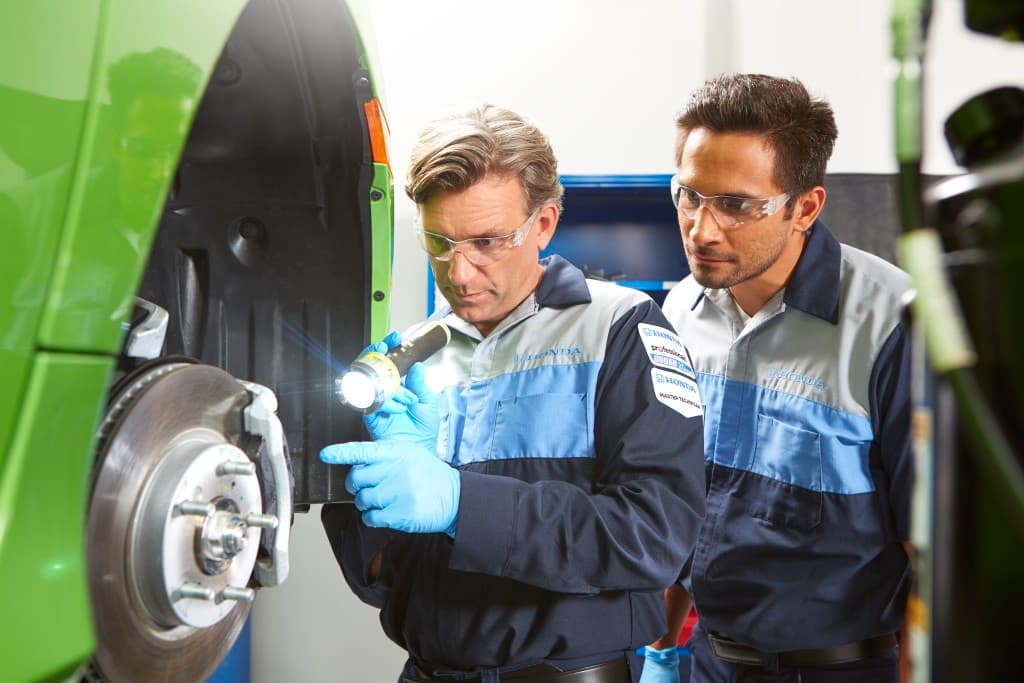
Routine brake inspections are one of the best ways to prevent costly repairs. A standard inspection includes:
- Measuring brake pad thickness
- Checking rotor condition
- Inspecting brake fluid quality
- Evaluating calipers and brake lines
- Testing overall braking performance
Regular inspections help catch issues early — before they affect safety or lead to more expensive repairs.
OEM vs Aftermarket Brake Parts: What’s the Difference?
When it comes to brake service, quality matters. Honda Genuine brake parts are designed specifically for your vehicle, ensuring proper fit, performance, and durability. OEM (original equipment manufacturer) parts offer:
- Consistent braking performance
- Proper fit and compatibility
- Reduced noise and vibration
- Long-term reliability
While aftermarket parts may vary in quality, OEM components are engineered to meet Honda’s exact standards.
Why Choose Priority Honda Roanoke for Brake Service?
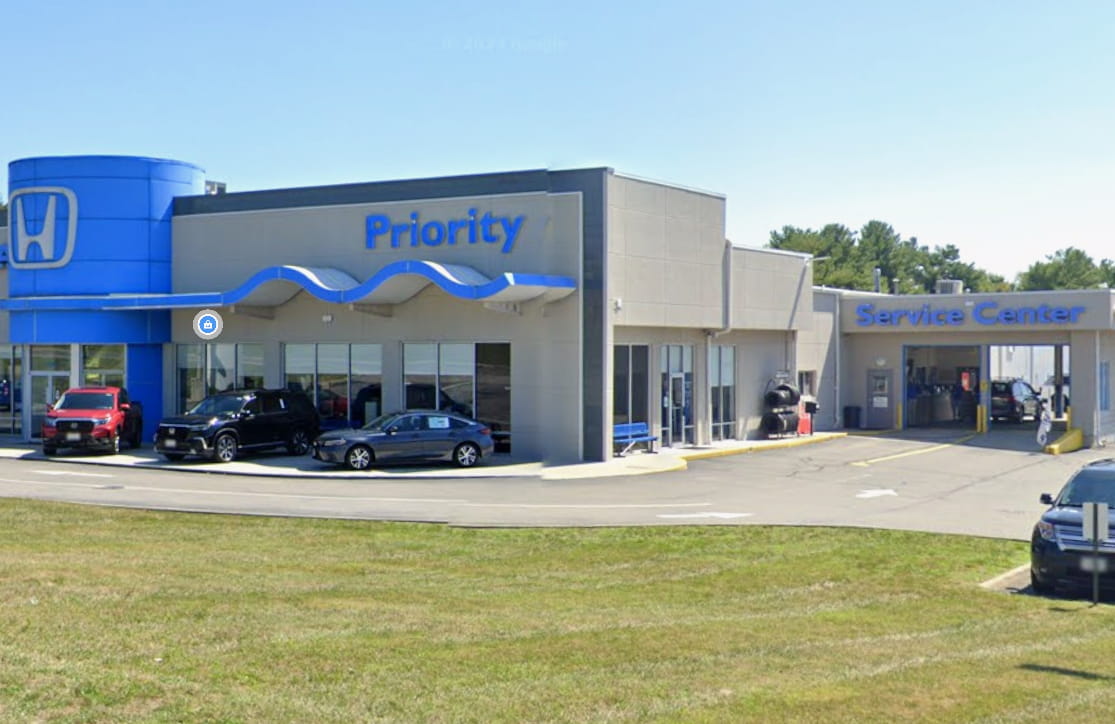
When you bring your vehicle to Priority Honda Roanoke, you’re getting more than just routine maintenance. Our factory-trained technicians understand Honda vehicles inside and out, and we use the right tools and parts to get the job done correctly.
Drivers near Lynchburg and Roanoke choose us for:
- Experienced Honda-certified technicians
- Genuine Honda parts
- Thorough inspections and transparent recommendations
- Convenient scheduling and service options
- A comfortable customer experience while you wait
We’re here to make brake service straightforward, efficient, and stress-free.
Schedule Honda Brake Service Near Roanoke
If you’ve noticed changes in your braking performance or it’s been a while since your last inspection, now is a great time to schedule service. Drivers in Roanoke and Salem can book an appointment online or contact our team directly for assistance.
Keeping your brakes in top condition helps protect you, your passengers, and everyone else on the road — especially in the varied driving conditions of Southwest Virginia.
Frequently Asked Questions About Brake Service
How often should brakes be inspected?
Brakes should be inspected at least once a year or during routine maintenance visits. Drivers in hilly areas may benefit from more frequent checks.
What are the most common signs of worn brake pads?
Squeaking noises, grinding sounds, and reduced stopping power are common signs that brake pads are wearing thin.
Can all brake rotors be resurfaced?
No. Rotors can only be resurfaced if they meet thickness and condition requirements. Severely worn or warped rotors need to be replaced.
Why does my car shake when I brake?
This is often caused by uneven or warped rotors, which can develop from repeated heat buildup during braking.
Is brake service expensive?
Costs vary depending on the service needed, but regular maintenance is typically much more affordable than waiting until major repairs are required.
How do I know if I need brake fluid service?
If your brake fluid is discolored, low, or hasn’t been replaced in several years, it may be time for a brake fluid flush.
Priority Honda Roanoke
3311 Peters Creek Rd, Roanoke, VA 24019
Contact UsHours
| Monday | 7:30AM - 6:00PM |
| Tuesday | 7:30AM - 6:00PM |
| Wednesday | 7:30AM - 6:00PM |
| Thursday | 7:30AM - 6:00PM |
| Friday | 7:30AM - 6:00PM |
| Saturday | 8:00AM - 5:00PM |
| Sunday | Closed |
| Monday | 8:30AM - 7:00PM |
| Tuesday | 8:30AM - 7:00PM |
| Wednesday | 8:30AM - 7:00PM |
| Thursday | 8:30AM - 7:00PM |
| Friday | 8:30AM - 7:00PM |
| Saturday | 8:30AM - 6:00PM |
| Sunday | Closed |
| Monday | 7:30AM - 6:00PM |
| Tuesday | 7:30AM - 6:00PM |
| Wednesday | 7:30AM - 6:00PM |
| Thursday | 7:30AM - 6:00PM |
| Friday | 7:30AM - 6:00PM |
| Saturday | 8:00AM - 5:00PM |
| Sunday | Closed |