

Top Honda Safety Features Explained for Roanoke Drivers
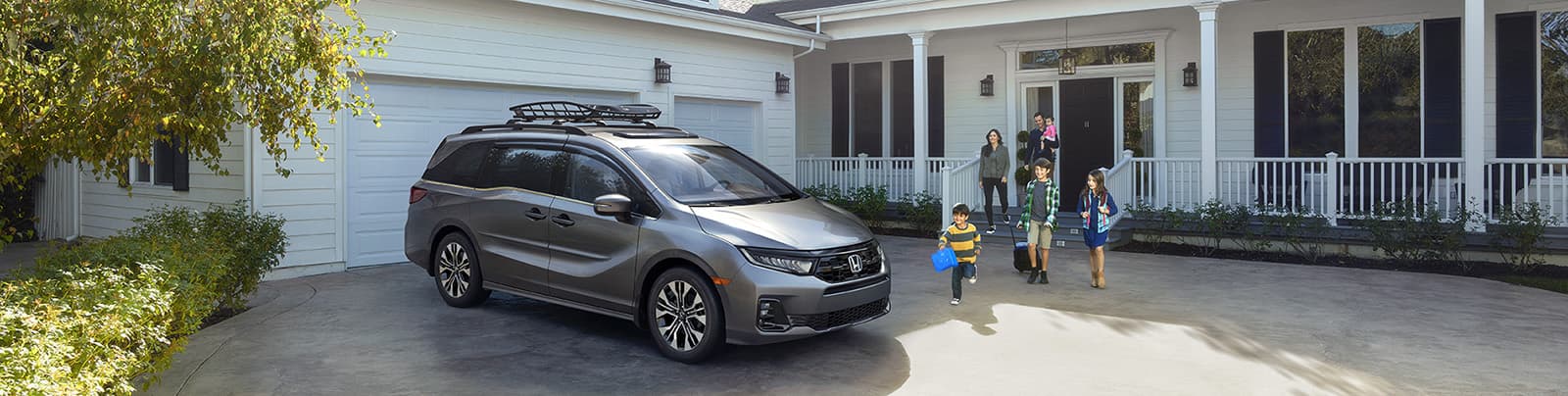
How Honda Engineers its Models for Safe Driving
When you drive the winding roads around Christiansburg, Roanoke or Lynchburg, safety is always a concern. Commuting on I-81, navigating crowded downtown streets, or dealing with changing weather are common driving challenges in southwest Virginia. Gain the peace of mind that comes from driving a vehicle engineered for protection. Honda has long prioritized safety and designed vehicles that combine advanced driver assistance technologies with strong crash protection. Here are some insights into how Honda safety systems work and why they’re so important.
Why Honda Safety Matters in Virginia
According to the Virginia DMV, 11,256 people were injured due to distracted driving in 2024. Many of these accidents occurred in situations drivers face every day—momentary lapses in attention at a red light, reacting late to sudden braking, or drifting slightly out of a lane. These are exactly the types of hazards Honda’s driver assist systems are designed to mitigate.
Honda’s approach includes two layers:
- Active safety and driver assistance technologies help prevent accidents from occurring in the first place.
- Passive safety features such as body structure and airbags protect you if a collision can’t be avoided.
Together, these layers create a safety net designed for real-world driving in cities like Roanoke and Lynchburg and nearby rural areas.
Honda Sensing®: How Honda Safety Systems Work
Honda Sensing® is a collection of advanced safety and driver assist technologies. Some are standard inclusions, while others are available options. These systems use a combination of cameras, radar, and sensors to detect what’s happening around your vehicle and provide alerts or even corrective action when needed. Here’s how some of the key features work:
- Sudden Stop on Route 220: If traffic ahead brakes suddenly and you don’t react in time, Collision Mitigation Braking System™ (CMBS™) can automatically apply the brakes to help reduce the risk or severity of a frontal collision.
- Late-Night Drive on Route 460: If fatigue causes you to drift toward the shoulder, the Road Departure Mitigation System will alert you and provide steering assistance to help keep you safely on the road.
- Busy Commute on I-581: During heavy traffic, Adaptive Cruise Control (ACC) maintains a safe distance from the car ahead, adjusting your speed automatically so you don’t have to keep braking and accelerating.
- Curves Between Salem and Blacksburg: The Lane Keeping Assist System (LKAS) helps keep you centered in your lane, adding subtle steering input on long highway curves.
- School Zones in Lynchburg: Traffic Sign Recognition (TSR) displays detected speed limit signs on your dash, helping you stay mindful of lower limits near schools or residential neighborhoods.
These driver assist features don’t replace your attention behind the wheel, but they provide crucial backup—especially in moments where distraction or fatigue could lead to mistakes.
Honda is Built for Safety: Passive Protection
While Honda Sensing helps prevent crashes, passive safety features make sure you and your passengers are protected if an accident occurs.
- Advanced Compatibility Engineering™ (ACE™) Body Structure: Designed to absorb and redirect crash energy away from the passenger cabin. This structure has been proven in countless IIHS and NHTSA crash tests. Recent models earning IIHS Top Safety Pick or Top Safety Pick+ awards include Honda Accord, Honda Civic, Honda CR-V, Honda HR-V and Honda Pilot.
- Comprehensive Airbag Systems: Honda vehicles include advanced front, side, and side-curtain airbags with rollover sensors. These deploy intelligently depending on the type and severity of impact.
- Seatbelt Technologies: Features like automatic tensioning and load-limiting seatbelts reduce the risk of injury by keeping occupants secure without causing unnecessary pressure.
- Child Safety Features: LATCH (Lower Anchors and Tethers for Children) systems make it easy to securely install child seats—important for families driving to schools in Roanoke and surrounding towns.
Together, these features mean that if a crash occurs, Honda vehicles are designed to protect what matters most: you and your passengers.
The Importance of Driver Assist Features
With distracted driving continuing to be a significant cause of crashes in Virginia, the importance of driver assistance systems cannot be overstated. These technologies are not luxuries—they’re practical tools that reduce risk in common driving scenarios. Automated systems don’t replace driver responsibility, but provide an extra margin of safety that can make a life-saving difference.
For Roanoke-area drivers, these features help address real conditions: winding mountain roads, high-traffic corridors, changing weather, and busy school zones. Strong crash protection and top safety ratings make Honda vehicles a smart choice for anyone prioritizing safety.
Explore Honda Safety at Priority Honda Roanoke
Whether you’re interested in a new Accord, a family-friendly Pilot, or a versatile CR-V, you’ll find Honda vehicles engineered with safety in mind at Priority Honda Roanoke. Our team is here to explain how each safety feature works, let you experience Honda Sensing in action, and help you compare models.
If you live in Roanoke or in areas from Christiansburg to Lynchburg, visit us to see how Honda’s safety technology fits your daily driving needs.