

Summer Car Care in Roanoke, VA
- Home
- >
- Service Department
- >
- Summer Car Care
Essential Summer Maintenance for Roanoke Driving Conditions
Roanoke experiences a distinct shift in driving demands as temperatures climb toward the 90-degree mark. The combination of high humidity and the steep climbs of the Blue Ridge Mountains places unique stress on your vehicle’s engine and safety systems. To ensure your car remains reliable during these warmer months, our team recommends a comprehensive seasonal inspection. This process involves more than just a quick glance under the hood; it requires verifying that every fluid and mechanical component is prepared for the thermal load of summer traffic.
One of the most critical steps in preparing for Virginia's summer storms is inspecting your windshield wiper blades. The Virginia Department of Transportation suggests replacing these blades at least once a year, as the rubber can crack or streak after a harsh winter, compromising your visibility during sudden afternoon downpours. Additionally, keeping your washer reservoir topped with a summer-blend fluid helps clear away the heavy pollen and road grime common in the valley. If you notice any hesitation in your vehicle's performance or simply want a professional second opinion, you can schedule a service appointment to have our technicians perform a multi-point inspection.
For residents who commute through the city or frequently head out toward the scenic overlooks, a breakdown in the heat can be more than just an inconvenience. We are here to help you stay ahead of potential issues before they lead to a roadside emergency. If you are planning a visit to our facility for maintenance, you can find our dealership on Peters Creek Road, where our service center is equipped with the latest diagnostic tools. For any quick questions regarding your maintenance schedule, feel free to give us a quick call today.
Article Contents
- Monitoring Cooling Systems and Preventing Overheating in High Heat
- Tire Care and Pressure Management for Mountain Terrain
- Optimizing Cabin Comfort and Air Conditioning Performance
- Specialized Summer Service for Electric Vehicles and Hybrids
- Quick Answers for Summer Car Care in Virginia
- Expert Maintenance Planning at Priority Honda Roanoke
Monitoring Cooling Systems and Preventing Overheating in High Heat
Engine overheating is one of the most common causes of summer breakdowns in the Roanoke Valley. As ambient temperatures rise, your engine relies heavily on its cooling system to dissipate the massive amounts of heat generated during operation, especially when climbing the local mountain grades. Honda specifies that for models like the CR-V or Pilot, the engine coolant typically needs its first replacement at 10 years or 120,000 miles, but frequent inspections are necessary to ensure there are no leaks in the hoses or cracks in the radiator.
A low coolant level or a failing thermostat can quickly lead to a spike in the temperature gauge. If you see the warning light illuminate or notice steam from the hood, it is vital to pull over safely and allow the engine to cool completely before attempting to check the reservoir. Beyond the cooling system, high heat also accelerates the chemical breakdown inside your car's battery. The U.S. Department of Energy has noted that extreme heat can cause battery electrolyte to evaporate, leading to corrosion and eventual failure. We can assist with service financing options if an unexpected major repair, like a radiator or alternator replacement, arises during your summer travels.
Maintaining an older vehicle often requires more frequent vigilance regarding these thermal systems. If you are currently driving a high-mileage vehicle and are concerned about the cost of upcoming repairs, it may be worth looking at our selection of Certified Pre-Owned Honda to find a more modern, reliable option with a fresh cooling system. Keeping up with routine checks ensures that your vehicle can handle the stress of summer without leaving you stranded in the heat.
Tire Care and Pressure Management for Mountain Terrain
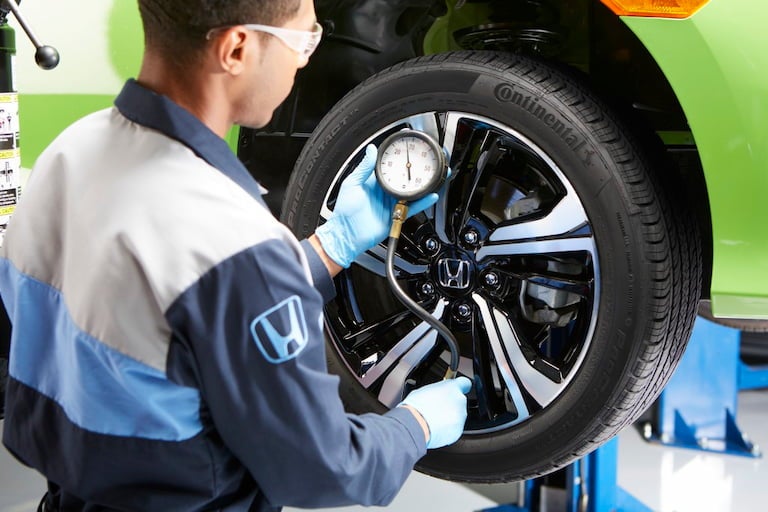
The winding roads and elevation changes around Salem demand a lot from your tires, particularly when the pavement temperature can exceed 100 degrees. According to the National Highway Traffic Safety Administration, tire pressure typically increases by 1 to 2 psi for every 10-degree rise in outdoor temperature. This means a tire that was perfectly inflated during a cool spring morning could become overinflated by the time you reach the peak of a mountain drive in July. Overinflation reduces the contact patch with the road, leading to uneven wear and decreased traction.
We recommend checking your tire pressure at least once a month using a reliable gauge. You should always refer to the "cold" tire pressure listed on the sticker inside the driver’s side doorjamb rather than the maximum pressure listed on the tire sidewall itself. In addition to pressure, tread depth is vital for safety on wet Virginia roads. Tires are considered unsafe when the tread wears down to 2/32 of an inch. A simple way to check this is the penny test: insert a penny into the tread with Lincoln’s head upside down. If you can see the top of his head, it is time for a replacement - as in immediately! To keep your vehicle running efficiently through these checks, ensuring you are up to date on your scheduled oil change is also a smart move, as fresh oil helps reduce internal engine friction and heat during those long summer hauls.
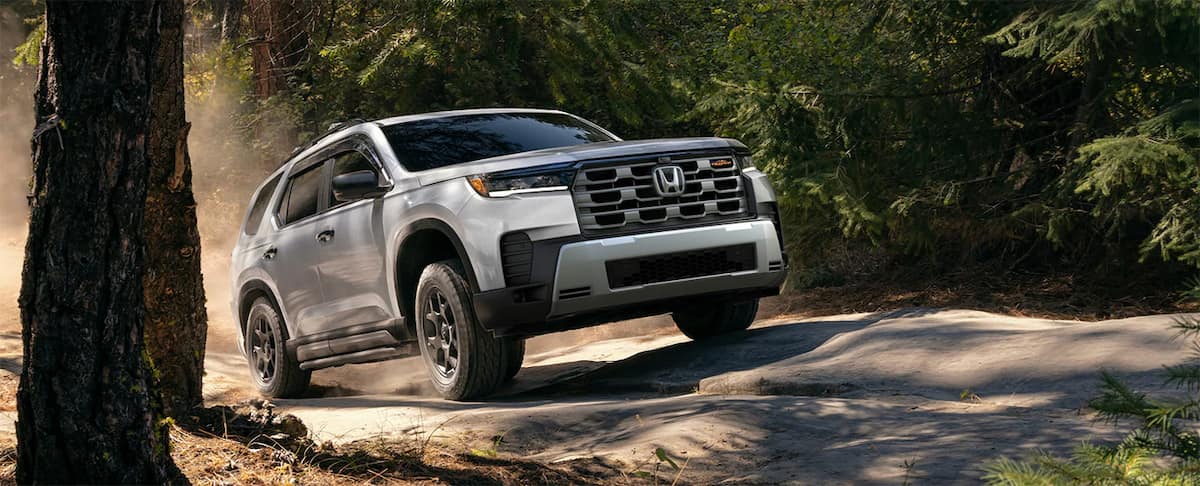
For those driving the 2026 Honda Pilot TrailSport, the all-terrain tires and 4WD system provide excellent grip, but they still require regular rotation to prevent irregular wear patterns. Honda suggests rotating tires every 5,000 to 8,000 miles. Proper alignment is also essential for mountain driving; if your vehicle veers to one side while driving on a level road, the suspension may be out of alignment, which will rapidly accelerate tire wear and decrease your fuel efficiency.
Optimizing Cabin Comfort and Air Conditioning Performance
When the humidity levels in Virginia climb, a functioning air conditioning system becomes a necessity rather than a luxury. If you notice that your vents are blowing lukewarm air or that there is a strange musty odor when the A/C is turned on, it is often a sign that your system needs professional attention. Honda owner’s manuals suggest that a decrease in cooling performance or unusual noises from the dash can indicate low refrigerant levels or a failing compressor.
The cabin air filter is another often-overlooked component that directly affects your comfort. Honda recommends replacing this filter approximately every 15,000 miles, though the heavy pollen counts in Roanoke may require more frequent changes. A clogged filter restricts airflow and forces your A/C system to work harder, which can impact your fuel economy. For families using the 2026 Honda Odyssey, the standard leather-trimmed interior and 12.8-inch rear entertainment system make for a premium experience, but only if the tri-zone climate control is operating at peak efficiency. Learn more about the importance of Air Filters on our Spring Car Care page.

Specialized Summer Service for Electric Vehicles and Hybrids
Electric vehicles (EVs) and hybrids have unique maintenance requirements when the weather turns hot. While they lack some of the traditional cooling components of an internal combustion engine, their high-voltage battery packs are highly sensitive to temperature extremes. The 2026 Honda CR-V Hybrid, for example, uses a sophisticated thermal management system to keep the battery within an optimal operating range. If this system is compromised, you may notice a slight decrease in your electric-only driving range during peak summer heat.
Braking systems on these vehicles also deserve attention. Because hybrids and EVs use regenerative braking to charge the battery, the physical brake pads and rotors may not be used as aggressively as in a standard car. However, this can sometimes lead to debris buildup or corrosion that goes unnoticed. Scheduling a professional brake service ensures that your calipers are lubricated and the mechanical components are ready for emergency stops. We also offer specialized battery service to test both the traditional 12-volt starting battery and inspect the cooling vents for the hybrid system.
To help keep your maintenance costs manageable, we encourage you to check our latest service and parts coupons before your next visit. Taking these proactive steps ensures that your hybrid or EV remains efficient and reliable throughout the warmest months of the year.
Quick Answers for Summer Car Care in Virginia
Q: How often should I check my tire pressure during a Roanoke summer?
You should check your tire pressure at least once a month and always before heading out on a long road trip. Because temperatures can fluctuate significantly between the valley floor and the surrounding mountains, checking the pressure when the tires are cold—meaning the car hasn't been driven for at least three hours—provides the most accurate reading. This helps prevent overinflation caused by heat, which can reduce traction and cause uneven tire wear.
Q: Does the high humidity in Christiansburg affect my car's air filter?
Yes, high humidity combined with heavy seasonal pollen can cause air filters to clog more quickly than in drier climates. A dirty engine air filter can reduce your engine's efficiency, while a clogged cabin filter will diminish the performance of your air conditioning system. We recommend inspecting these filters every 15,000 miles or sooner if you notice reduced airflow.
Q: Is it necessary to flush my coolant every summer?
Not necessarily every year, but you should have the level and condition of the fluid inspected regularly. Modern Honda vehicles typically require a coolant flush every 100,000 miles or 10 years for the first service. However, the high-heat conditions of mountain driving can lead to faster degradation or leaks. If you are unsure of your last service date, you can contact our service department to review your vehicle's maintenance history and schedule an inspection.
Q: Should I switch to a different motor oil for the summer months?
Most modern Honda vehicles are designed to run on a specific synthetic oil grade year-round, as specified in your owner's manual. While older cars sometimes used "thicker" oil in the summer, modern engines rely on the exact viscosity recommended by the manufacturer to ensure proper lubrication of tight internal tolerances.
Expert Maintenance Planning at Priority Honda Roanoke
Preparing your vehicle for the summer months is an investment in your safety and your car's longevity. Whether you are driving a 2026 Honda Accord through the city or taking a family trip in a Pilot, staying ahead of the heat is the best way to avoid unexpected repairs. Our team is dedicated to providing transparent service recommendations and high-quality OEM parts to keep your vehicle performing exactly as the manufacturer intended.
If you are looking for a vehicle known for its long-term reliability and industry recognition, you can view some of our Honda model awards to see how our lineup consistently ranks for safety and value. From the award-winning Honda Civic to the versatile CR-V, we can help you understand the specific maintenance needs of each model. You can also view Honda CR-V awards to see why it remains a top choice for local drivers.
When you are ready to prepare your vehicle for the season, we invite you to visit us for a professional consultation. You can find our Roanoke service center conveniently located on Peters Creek Road. Our technicians are standing by to ensure your car is ready for every mile of your summer journey. For immediate assistance or to ask about our current service availability, please give us a quick call and we will be happy to help.
Call Us
540-492-5134
Visit Us
© 2026 Priority Honda Roanoke. All rights reserved.